Can You Improve Memory After Cognitive Decline? Evidence-Based Cognitive Rehabilitation
What cognitive rehabilitation involves, what the evidence supports, and how it helps people stay independent.
Key points
- Brain-training apps rarely translate to real-life improvements.
- Practical strategies and routines make the biggest difference.
- Lifestyle factors support long-term brain health.
Many people hope a game or app will restore their memory. The evidence suggests the most meaningful gains come from strategies tailored to the goals that matter in daily life.
Restoring vs compensating
Rather than trying to retrain memory in general, cognitive rehabilitation focuses on achieving real goals, such as remembering appointments, taking medications on time or following a conversation, using strategies that work around difficulties.
Strategies that help
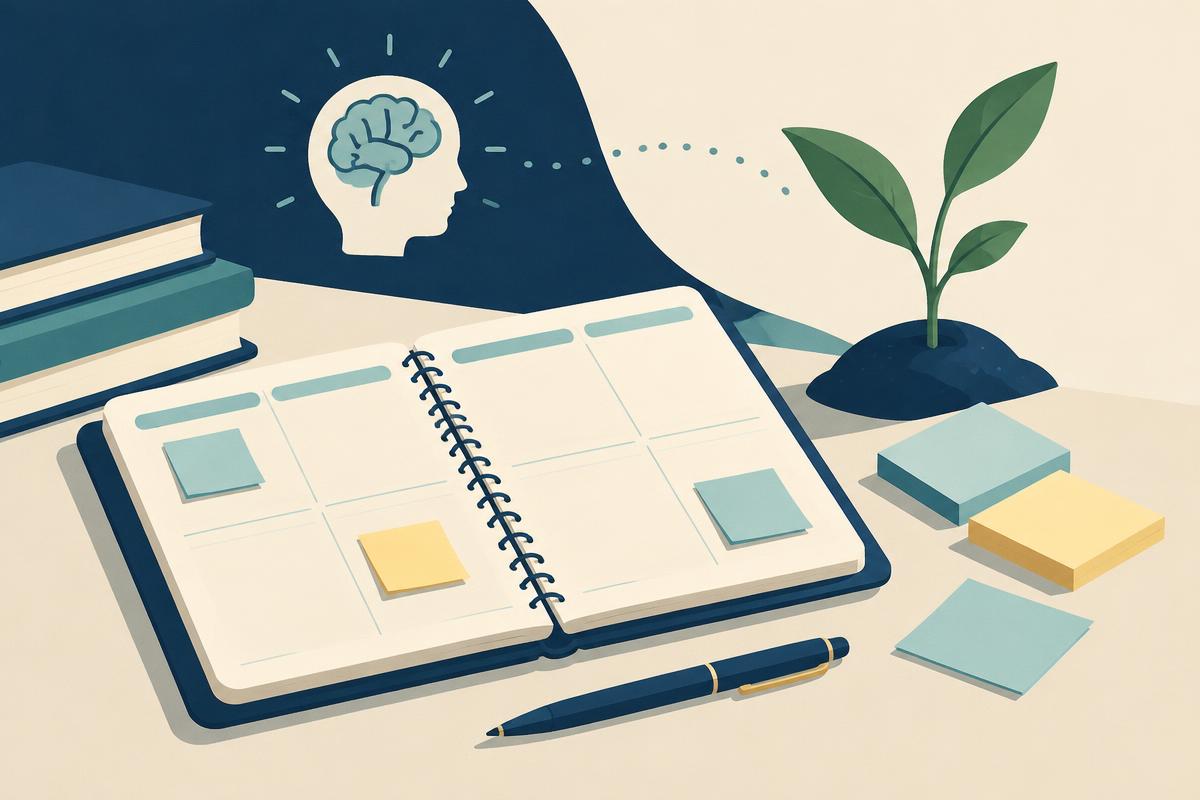
- A single, consistent diary or calendar
- Phone reminders and alarms
- Set places for important items
- Building and practising routines
- Breaking tasks into simple steps
Building on strengths
Even when new learning is harder, well-practised skills and routines are often preserved. Rehabilitation uses these strengths to support independence.
Lifestyle and brain health
- Regular physical activity
- Good sleep
- Managing blood pressure, diabetes and cholesterol
- Staying socially connected
- Engaging in meaningful, stimulating activities
- Hearing and vision care
This article provides general information only and is not a substitute for individual medical or legal advice.
How we can help
Related services: Memory Rehabilitation. View our fees or make a referral.