Articles and guides.
Clear, practical information about assessment, ageing, decision-making capacity and rehabilitation for families, carers and referrers.

Clinical Neuropsychologist vs Clinical Psychologist: What's the Difference?
Clinical neuropsychology vs clinical psychology explained: training, what each assesses and treats, and how to know which one you or a family member needs.
Read article →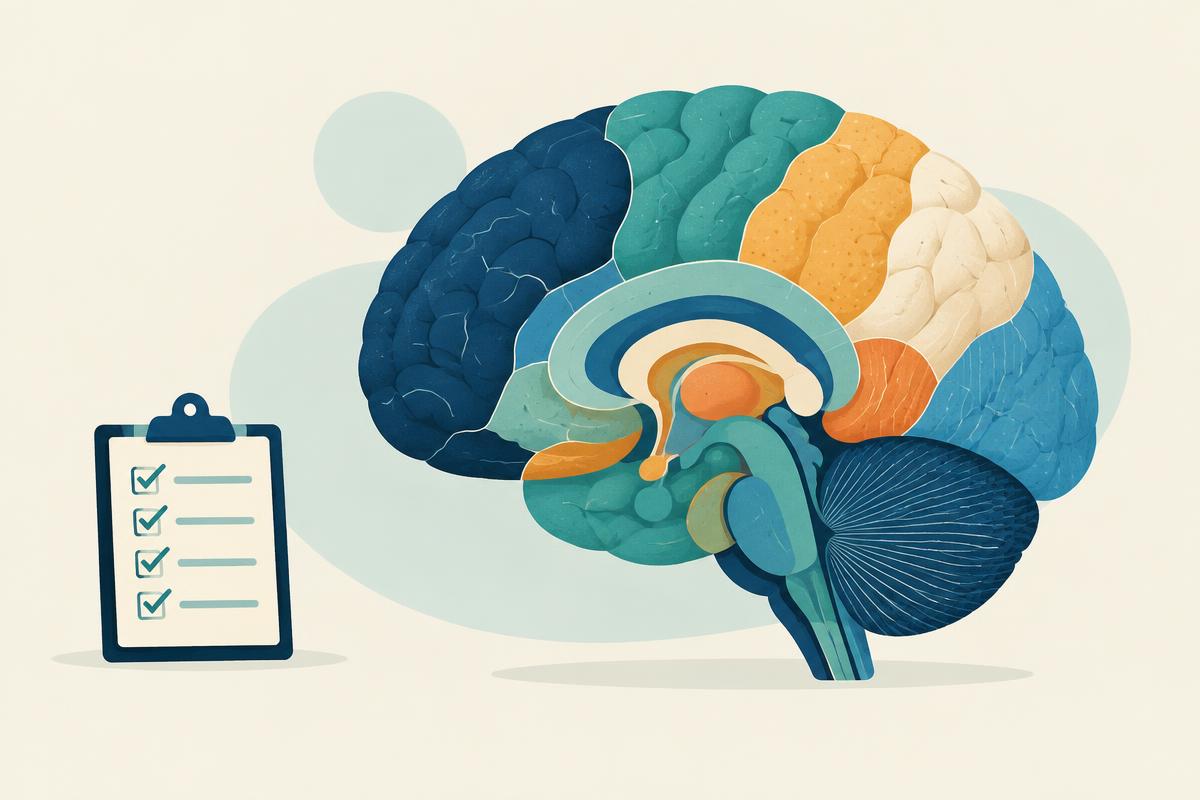
Cognitive Screening vs a Comprehensive Neuropsychological Assessment
Why a short memory test at the GP is a useful first step, and what a full neuropsychological assessment adds.
Read article →
Healthy Ageing vs Mild Cognitive Impairment vs Dementia
How to tell the difference between expected age-related changes, mild cognitive impairment and dementia.
Read article →
What Actually Happens During a Neuropsychological Assessment?
A step-by-step guide to the neuropsychological assessment process, from the first interview to feedback and the report.
Read article →
When Should an Older Adult See a Neuropsychologist? 7 Common Signs
Seven common signs that an older parent or relative may benefit from a cognitive assessment.
Read article →
Managing Changed Behaviours in Dementia: A Practical Guide
Common dementia behaviours explained: why changes in behaviour happen, what triggers them, and practical, non-medication strategies for families and care teams.
Read article →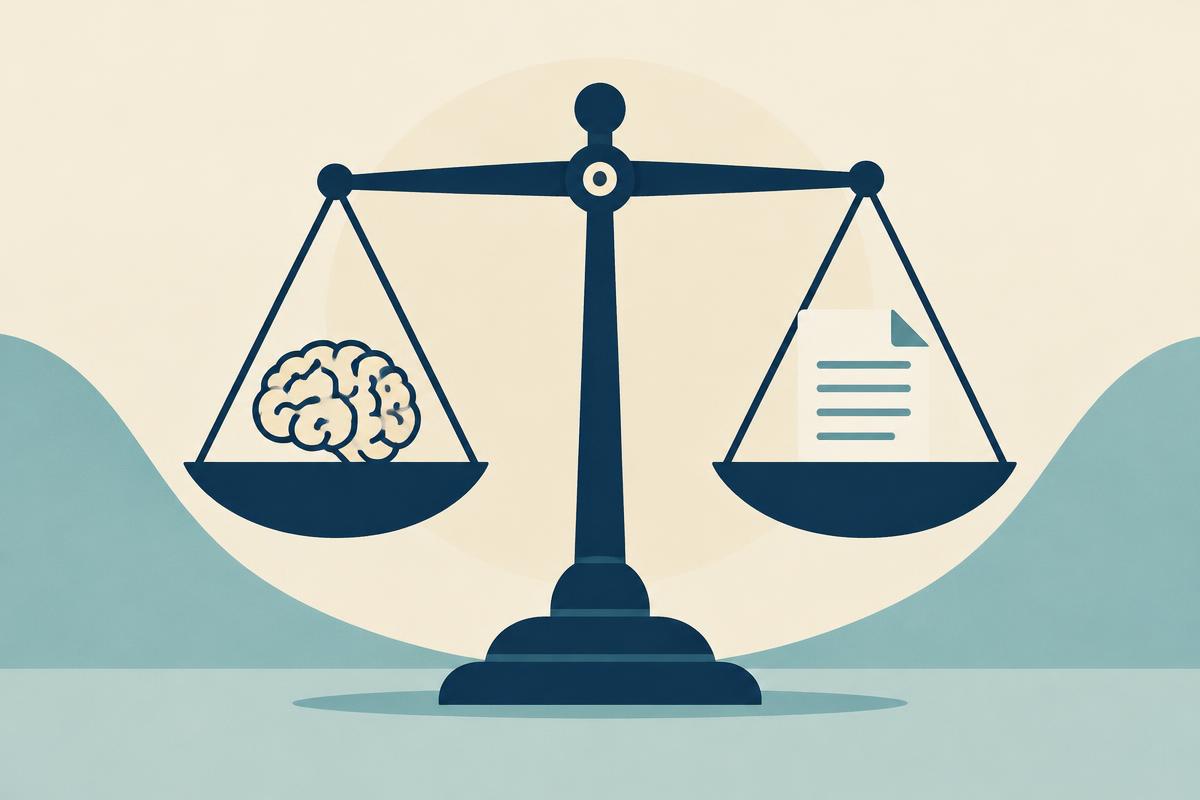
What Is a Decision-Making Capacity Assessment in Victoria?
How decision-making capacity is understood under Victorian law, and how a neuropsychological assessment helps.
Read article →
VCAT and Guardianship: How an Independent Report Assists the Tribunal
How a neuropsychological report can assist VCAT in guardianship and administration applications.
Read article →
Can You Improve Memory After Cognitive Decline? Evidence-Based Cognitive Rehabilitation
What cognitive rehabilitation involves, what the evidence supports, and how it helps people stay independent.
Read article →